Why Fiber is the Hero of Digestive Health

25
June
Why Fiber is the Hero of Digestive Health
Fiber is often called the unsung hero of digestive health—and for good reason. It plays a vital role in keeping the digestive system running smoothly by adding bulk to stools and supporting regular bowel movements. This helps prevent common issues such as constipation, bloating, and discomfort. By promoting efficient digestion, fiber reduces strain on the intestines and supports overall gut function, making it a foundational element of a healthy diet.
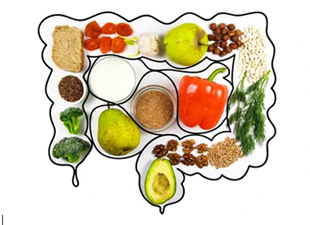
Beyond regularity, fiber acts as fuel for the beneficial bacteria living in the gut. These “good” microbes ferment certain types of fiber, producing short-chain fatty acids that nourish the intestinal lining and strengthen the gut barrier. A healthy balance of gut bacteria is closely linked to improved digestion, stronger immunity, and reduced inflammation. Diets rich in fiber from fruits, vegetables, whole grains, and legumes help maintain this balance and protect long-term digestive health.
Fiber also plays a preventive role in many digestive disorders. Adequate fiber intake has been associated with a lower risk of conditions such as hemorrhoids, diverticular disease, and irritable bowel symptoms. In addition, fiber helps regulate blood sugar levels and cholesterol, indirectly benefiting digestive and metabolic health. By making fiber-rich foods a daily habit, you support not only a healthier gut but also overall well-being—proving that fiber truly is the hero of digestive health.