Understanding GERD: How to Stop the Burn

25
June
Understanding GERD: How to Stop the Burn
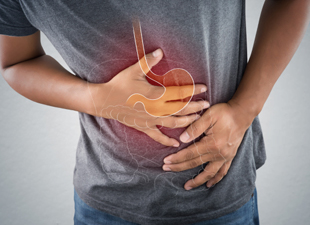
Gastroesophageal Reflux Disease (GERD) is a common digestive condition that occurs when stomach acid frequently flows back into the esophagus, the tube connecting your mouth and stomach. This backwash, known as acid reflux, can irritate the lining of the esophagus and cause symptoms such as heartburn, chest discomfort, regurgitation, bloating, and a sour taste in the mouth. While occasional acid reflux is normal, persistent symptoms may indicate GERD and should not be ignored, as long-term untreated GERD can lead to complications like inflammation, ulcers, or narrowing of the esophagus.
Stopping the burn begins with understanding and managing everyday triggers. Certain foods and habits—such as spicy or fried foods, caffeine, alcohol, smoking, large meals, and lying down immediately after eating—can worsen GERD symptoms. Simple lifestyle changes can make a significant difference, including eating smaller meals, maintaining a healthy weight, avoiding late-night dinners, elevating the head while sleeping, and reducing stress. Identifying personal trigger foods and making mindful dietary choices is often the first step toward long-term relief.
When lifestyle changes are not enough, medical treatment plays an important role in controlling GERD. Over-the-counter antacids, acid blockers, and prescription medications can help reduce stomach acid and promote healing of the esophagus. In more severe or long-standing cases, further evaluation such as endoscopy may be required to assess damage and guide treatment. With timely diagnosis, proper treatment, and consistent lifestyle adjustments, GERD can be effectively managed—helping you stay comfortable, protect your digestive health, and truly stop the burn.